
Many homeowners rely on septic systems every day without thinking much about how they work. Unlike city sewer systems, septic systems are private wastewater treatment solutions that require proper care and maintenance. When they are well-maintained, septic systems can function efficiently for decades. However, neglect or misuse can lead to costly repairs and environmental issues.
Regular Maintenance Is Essential
One of the most important things professionals emphasize is the importance of regular septic maintenance. Many homeowners assume that septic systems require little attention until something goes wrong.
In reality, routine inspections and pumping are critical for keeping the system functioning properly.
Over time, solid waste accumulates in the septic tank. If the tank is not pumped regularly, solids can overflow into the drain field, leading to clogs and system failure. Most systems should be inspected every one to three years, and pumping is typically recommended every three to five years depending on the size of the tank and household usage.
Working with a reliable septic company ensures that inspections are thorough and potential problems are identified before they become major issues.
What Goes Down the Drain Matters
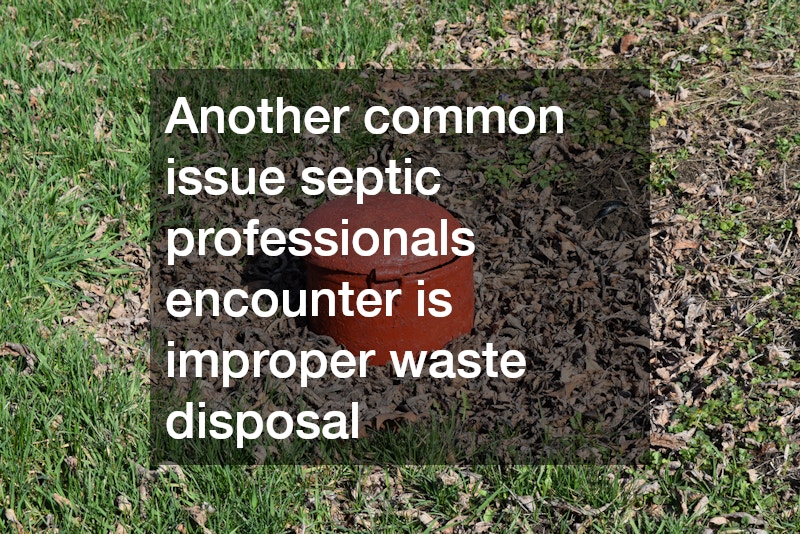
Another common issue septic professionals encounter is improper waste disposal. Many homeowners do not realize that septic systems are designed to handle only specific types of waste. Items such as wipes, paper towels, feminine hygiene products, diapers, and dental floss can easily clog pipes and damage the system.
Even products labeled as “flushable” can cause problems because they do not break down as quickly as toilet paper. Grease, cooking oils, and food scraps should also never go down the drain because they can accumulate inside the tank and pipes.
Septic systems rely on natural bacteria to break down waste. Harsh chemicals, excessive cleaning agents, and antibacterial products can disrupt this biological process, reducing the system’s ability to treat wastewater effectively.
Water Usage Has a Big Impact
Many homeowners do not realize how much their daily water usage affects their septic system. Excessive water entering the system can overwhelm the tank and drain field, preventing proper waste treatment.
Simple habits such as spreading out laundry loads, fixing leaking faucets, and installing water-efficient appliances can make a significant difference. When too much water flows into the system at once, solids may not have enough time to settle in the tank, increasing the risk of clogging the drain field.
A septic company often advises homeowners to monitor their water use carefully, especially in households with many residents or frequent guests.
Protecting the Drain Field Is Crucial
The drain field, also called the leach field, is one of the most important components of a septic system. It is responsible for filtering and dispersing wastewater back into the soil. Unfortunately, many homeowners unintentionally damage their drain fields by treating the area like a regular part of their yard.
Driving vehicles or parking heavy equipment on the drain field can compact the soil and damage underground pipes. Planting trees too close to the system can also create problems because roots may grow into pipes and block wastewater flow.
Homeowners should keep the drain field clear of heavy structures, vehicles, and deep-rooted plants. Grass is usually the best type of vegetation to grow over this area because it helps prevent soil erosion without interfering with the system.
Warning Signs Should Never Be Ignored
Septic professionals often encounter situations where homeowners ignore early warning signs until the problem becomes severe. Recognizing these signs early can help prevent expensive repairs and system failures.
Common warning signs include slow drains, unpleasant odors around the yard or inside the house, standing water near the drain field, and unusually lush patches of grass in certain areas of the yard. These issues may indicate that the septic system is overloaded, clogged, or experiencing drainage problems.
If homeowners notice any of these signs, contacting a septic company promptly can prevent the issue from escalating into a major repair or full system replacement.
DIY Repairs Can Make Problems Worse
While many homeowners enjoy tackling home improvement projects themselves, septic systems are not ideal for DIY repairs. Septic systems involve complex components and underground infrastructure that require professional expertise to diagnose and repair correctly.
Attempting to fix septic issues without proper knowledge can lead to further damage, health risks, and costly mistakes. Septic tanks also produce hazardous gases, making them dangerous to open or enter without proper training and equipment.
Professionals have specialized tools, safety procedures, and experience to handle septic system issues safely and effectively.
Septic systems are reliable and effective when they are properly maintained. However, many homeowners unknowingly put their systems at risk through improper usage and neglect. Understanding how septic systems work, managing water consumption, and scheduling routine inspections are key steps toward protecting this important part of the home.
Professionals in the industry regularly see preventable issues that could have been avoided with better awareness. By following basic guidelines and working with a trusted septic company, homeowners can ensure their systems operate efficiently for many years. Proper care not only protects the home and property but also safeguards the surrounding environment and local water sources.