
Undertaking a total exterior transformation is vastly different from remodeling a kitchen or updating a bathroom. The outdoor environment introduces unpredictable variables, from soil composition and dramatic weather shifts to complex drainage requirements and strict municipal zoning laws. Managing multiple moving parts, heavy machinery, and various specialized trades requires a strategic approach. This guide offers a comprehensive, step-by-step roadmap to help you navigate the logistics of planning, prepping, zoning, and executing a flawless property renovation that balances jaw-dropping aesthetics with long-term structural integrity.
1. Assessing Your Property Topology and Layout
Before you fall in love with specific patio furniture or high-end cooking appliances, you must thoroughly evaluate the raw canvas of your land. Every successful exterior renovation begins with a deep dive into your property’s specific geography, slope, and soil conditions. Ignoring these foundational elements can lead to catastrophic structural failures down the road, such as sinking patios, retaining wall collapses, or flooded basements.
Take a close look at how water behaves on your lot during a heavy downpour. If you notice pooling near the foundation or soggy zones in the middle of the lawn, these issues must be engineered out of existence before any cosmetic work begins. Grading and leveling are critical components of this phase. You may need to terrace a sloped yard using retaining walls to create flat, usable tiers for functional outdoor rooms, ensuring all water is directed safely away from your home and neighboring properties.
Furthermore, you must identify any municipal constraints before finalizing your design blueprints. Every city has specific setback requirements that dictate how close a structure can be to the property line, as well as strict rules regarding impervious surface ratios—the percentage of your lot that can be covered by water-resistant materials like concrete or stone. Uncovering these details early prevents costly mid-project redesigns or legal penalties from local code enforcement.
2. Managing Large-Scale Site Preparation
Once your blueprints are finalized and approved, the heavy logistics begin. True site preparation is a meticulous process of clearing the old to make way for the new. This phase often involves dealing with large obstacles like boulders, old outbuildings, and overgrown vegetation that conflict with your new layout.
Safe tree management is paramount during this initial stage. While mature trees add immense character and value to a property, those that are diseased, structurally compromised, or directly in the footprint of your planned driveway or patio must be addressed. Relying on a professional service for local tree removal ensures that large, hazardous limbs and deep root systems are extracted safely without damaging your home’s roofline, underground utilities, or the surrounding soil integrity.
After clearing the surface obstacles, the focus shifts immediately beneath the earth. Excavation creates the deep trenches and foundations required for durable construction. To ensure that your future walkways, patios, and retaining walls do not shift or sink during seasonal freeze-and-thaw cycles, a stable base layer is mandatory. Bringing in a trusted gravel supplier to deliver crushed stone and sub-base materials ensures your project has the structural ballast and excellent drainage necessary to support thousands of pounds of stone or concrete.
3. Sourcing Regional Stone and Aggregates
The materials you choose for your landscape define its texture, color palette, and longevity. While synthetic materials exist, nothing matches the timeless elegance and raw durability of natural stone. Sourcing materials that complement your local environment not only creates a more cohesive visual design but also ensures that the stone can withstand your specific regional climate conditions.
Utilizing a vendor that specializes in local rock and limestone offers distinct advantages for both your budget and your design. Locally sourced stone requires less transportation, which drastically reduces freight costs and minimizes the carbon footprint of your renovation. Limestone is particularly celebrated for its versatility, serving beautifully as structural retaining blocks, elegant garden borders, or crushed architectural gravel accents that tie different zones of the yard together.
When integrating natural stone, consider the geological characteristics of your selection. Some stones are highly porous and require specialized sealants to prevent moisture absorption and staining, while others are naturally dense and slip-resistant. Discussing your specific regional weather patterns with your supplier helps you select the exact grade of stone that will retain its beauty and structural strength for decades.
4. Designing High-Traffic Patio and Pool Zones
The primary entertainment hub of any modern backyard is the patio. This is the space where dining, lounging, and poolside relaxation converge, meaning the ground surface must be exceptionally durable, safe underfoot, and visually stunning. The material selection here sets the tone for your entire outdoor experience.
For areas surrounding water features, selecting premium pool pavers is one of the smartest investments you can make. High-quality pavers offer superior slip resistance when wet, which is an essential safety feature for families. Unlike large, solid concrete slabs, individual pavers are flexible; they can shift slightly with ground movement and temperature fluctuations without cracking, making them incredibly easy to repair if an underground pipe ever leaks.
When designing these high-traffic zones, consider creating distinct geometric patterns or color borders to define different functional areas. A herringbone pattern might define the main dining space, while a contrasting border separates the lounge chairs from the water’s edge. This thoughtful layout creates visual rhythm and transforms a flat expanse of stone into an sophisticated outdoor living room.
5. Choosing the Right Exterior Masonry Specialist
Even the most expensive, luxurious materials will fail prematurely if they are installed incorrectly. Hardscaping is an exact science that requires precise measurements, deep knowledge of soil mechanics, and masterful craftsmanship. Choosing the right professional to handle your stonework is the single most critical decision of your design process.
Partnering with an experienced hardscaping contractor gives you access to specialized knowledge regarding structural loads, slope management, and seamless material transitions. These experts understand exactly how deep a base must be dug, how to install proper geotextile fabrics to prevent weed growth and shifting, and how to execute flawless polymeric sand joints that lock your stones permanently into place.
When interviewing potential specialists, always ask to see a comprehensive portfolio of completed physical projects, preferably ones that are at least five years old. This allows you to evaluate how well their craftsmanship holds up to real-world weathering and ground settling. A reputable professional will gladly provide local references and verify their licensing, bonding, and liability insurance.
6. Balancing Boundary Security and Aesthetics
A truly comprehensive backyard upgrade must address the perimeter of the property. Fencing serves several critical purposes, acting as a security barrier for children and pets, a privacy screen from neighboring windows, and a framing element that bounds your entire landscape design.
Navigating the world of fence companies requires understanding the distinct pros and cons of modern fencing materials. Traditional wood offers a classic, warm aesthetic but demands routine staining and painting to prevent rot. Vinyl and composite materials require a higher upfront investment but are virtually maintenance-free, resisting moisture and UV damage perfectly. Aluminum or wrought iron provides maximum security and an upscale, elegant look, though it offers less visual privacy.
Beyond material selection, professional fence installation ensures that your posts are sunk deep below the local frost line and anchored firmly in concrete. This prevents the fence from sagging, leaning, or blowing over during severe windstorms. Additionally, your installation team must carefully locate property pins to ensure your new boundary marker does not accidentally encroach on a neighbor’s land.
7. Upgrading Front-Facing Curb Appeal
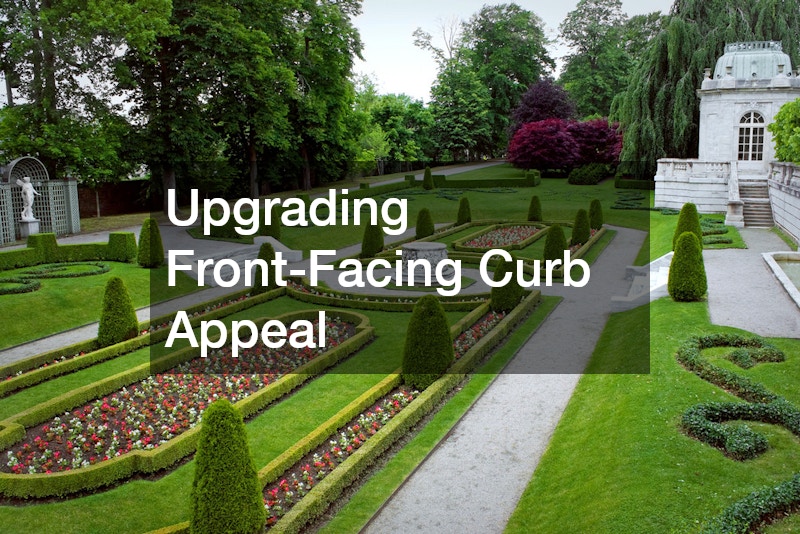
While the backyard is designed for private enjoyment, the front of your home creates the first impression for visitors and passing neighbors. Enhancing your curb appeal not only instills a sense of personal pride but also directly influences the overall market value of your property.
The focal point of front-facing curb appeal is almost always the driveway. Swapping out a crumbling, oil-stained surface for a flawless, custom-engineered concrete driveway instantly modernizes the exterior architecture of your home. Modern concrete designs go far beyond basic grey slabs; they can be stained, stamped, or exposed to mimic the look of natural brick, slate, or cobblestone, allowing you to match the exact aesthetic of your home’s facade.
A well-designed driveway must also be engineered to handle heavy vehicular loads without sinking. This requires a perfectly compacted sub-base and the strategic integration of steel rebar reinforcement. By addressing these hidden structural details, your front entrance will remain smooth, level, and free of unsightly potholes for decades to come.
8. Mastering Concrete Pouring and Finishing
Working with concrete requires an incredible amount of speed, precision, and technical skill. Once the mixing truck arrives, the clock starts ticking, and there is zero room for error. Proper pouring, leveling, and curing dictate whether your concrete will last for forty years or crack within the first two.
Hiring a certified local concrete contractor ensures that your poured elements are handled with absolute professionalism. These specialists know how to calculate the exact air-entrainment and PSI mix required for your specific regional climate, ensuring the cured concrete can withstand freezing winters and scorching summers. They also know exactly where to place control joints, which are intentional relief cuts that dictate where the concrete will naturally expand and contract, preventing random, ugly cracks across the surface.
Furthermore, professional finishers possess the artistic skill to apply specialized textures. A broom finish provides crucial traction for wet walkways, while smooth troweled edges create a crisp, modern border. Their expertise guarantees that your sidewalks, steps, and driveways are perfectly level and shed water away from your structures.
9. Engineering a Luxury Outdoor Kitchen
The pinnacle of modern backyard luxury is a fully functional outdoor kitchen. Moving beyond a simple standalone grill, a luxury culinary station allows the chef to remain part of the party while preparing gourmet meals entirely under the open sky.
Selecting the surfaces for this area requires careful consideration of the elements. Your choice of countertop material must be completely UV-resistant, non-porous, and capable of enduring extreme temperature swings. Natural granite, engineered concrete, and specialized porcelain slabs are excellent choices, as they resist staining from dropped food, do not fade in direct sunlight, and can be easily wiped clean with basic soap and water.
An outdoor kitchen also requires complex utility integration. You will need to coordinate the safe installation of natural gas lines for the grill, water lines for the outdoor sink, and weather-rated electrical circuits for a built-in refrigerator and ambient task lighting. This requires careful spatial planning to ensure hot zones for cooking are safely separated from cold zones for food storage.
10. Managing Overall Project Logistics
When a property renovation involves everything from tree removal and heavy excavation to masonry, fencing, and utility lines, project management becomes a massive undertaking. Mismanaging the timeline can lead to lengthy delays, skyrocketing labor costs, and immense personal stress.
Enlisting the services of a licensed general contractor to oversee the entire transformation is the best way to safeguard your investment. This professional acts as the single point of contact, managing the precise sequencing of all specialized trades. For example, they ensure that underground gas and water lines are trenched and inspected before the hardscaping team lays down thousands of pounds of stone, preventing the need to rip up fresh work to fix a missed pipe.
A general contractor also handles the burden of securing all necessary building permits, scheduling municipal inspections, and vetting individual subcontractors for quality and insurance compliance. Their oversight guarantees that the entire project moves forward smoothly, on budget, and in strict accordance with modern engineering standards.
Embarking on a comprehensive home exterior and backyard renovation is a powerful way to transform your property into a beautiful, functional haven. By taking a methodical approach—starting with thorough site preparation and structural foundations before moving into luxury finishes like custom masonry and outdoor kitchens—you ensure that your investment is built to last. While the process requires careful planning, coordinating with qualified, licensed professionals allows you to navigate the complexities of construction with absolute confidence, ultimately resulting in an outdoor living space you will cherish for a lifetime.