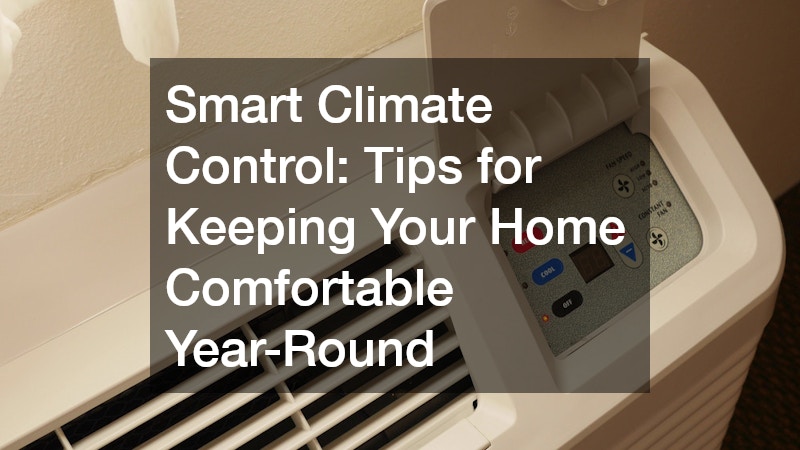

Smart climate control involves integrating modern technology with traditional HVAC systems to optimize performance and reduce energy consumption. By focusing on proper insulation, efficient heating and cooling systems, and regular maintenance, homeowners can ensure their homes are comfortable throughout the year while minimizing energy bills.
The Role of Home Insulation in Climate Control
Benefits of Proper Home Insulation
Proper home insulation is foundational for energy efficiency, significantly reducing the need for heating and cooling throughout the year. By sealing gaps and preventing air leaks, effective insulation helps maintain a stable indoor temperature. Investing in quality insulation can dramatically reduce energy costs and improve the overall comfort of your living space.
Insulation acts as a barrier to heat flow, which means it helps keep your home warmer in winter and cooler in summer. This not only enhances comfort but also reduces the strain on HVAC systems, prolonging their lifespan. Additionally, well-insulated homes often experience fewer drafts and more even temperatures from room to room.
Choosing a Home Insulation Service
Choosing the right home insulation service is crucial to ensure maximum efficiency and effectiveness. Professionals can assess your current insulation levels and recommend the best solutions tailored to your home’s needs. Whether upgrading existing insulation or starting from scratch, expert guidance is invaluable in making the right decision.
Working with experienced insulation contractors can provide you with peace of mind that the job will be done right the first time. Many services also offer warranties for their work, ensuring that your investment in home insulation is protected. Additionally, some contractors may offer financing options to help manage costs.
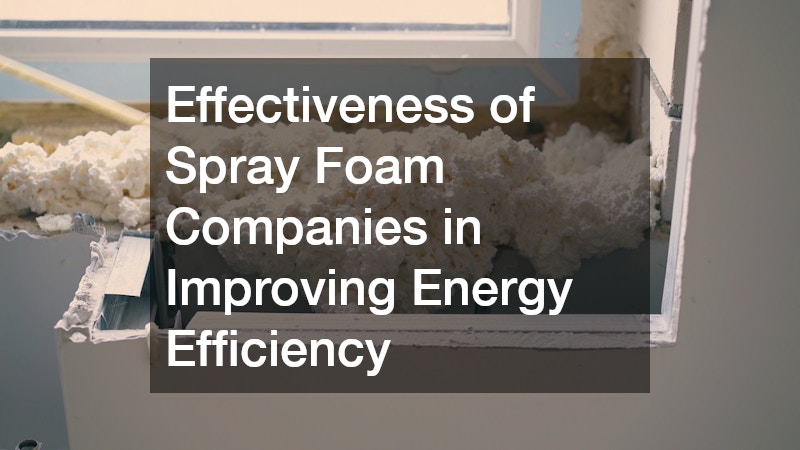
Effectiveness of Spray Foam Companies in Improving Energy Efficiency
Advantages of Using Spray Foam Insulation
Spray foam insulation is known for its superior sealing properties, reducing the number of drafts and air leaks in a home. It expands into tight spaces, offering a comprehensive seal that traditional insulation materials may not provide. This type of insulation is also resistant to moisture, reducing the risk of mold and mildew growth.
Additionally, spray foam companies often highlight the insulation’s ability to add structural strength to buildings. This is particularly beneficial in areas prone to extreme weather conditions. Its longevity and performance can lead to significant energy savings over time, making it a worthwhile investment.
Hiring an Insulation Contractor for Your Home
Professional Assessment and Installation
Hiring an insulation contractor provides the advantage of professional assessment and installation. Contractors have the expertise to evaluate insulation needs and recommend the most suitable materials and methods. They can identify problem areas that might not be visible to the untrained eye.
Cost vs. Savings: An Analysis
One of the primary considerations when hiring an insulation contractor is the cost versus the potential energy savings. While upfront costs may seem daunting, the return on investment can be significant. Proper insulation can result in reduced utility bills, often offsetting the installation costs within a few years.
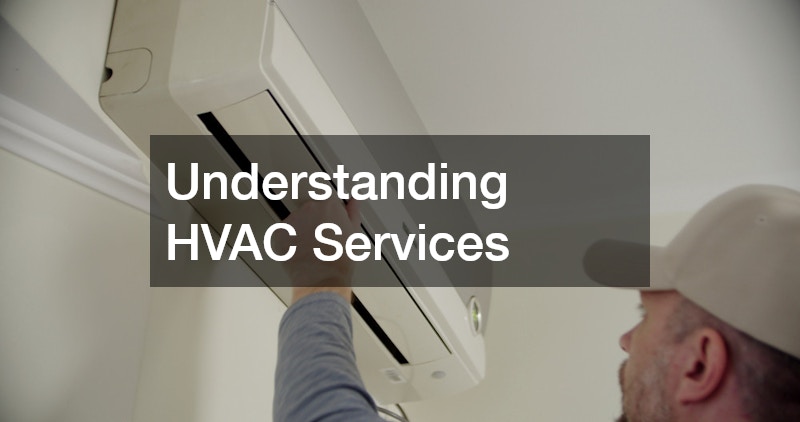
Understanding HVAC Services
Types of HVAC Systems
HVAC services encompass a variety of systems designed to provide heating, ventilation, and air conditioning to residential and commercial buildings. Common types include split systems, hybrid systems, ductless mini-splits, and packaged heating and air units. Each type has its merits and is suitable for specific environments and requirements.
Routine HVAC Maintenance Tips
Routine maintenance is essential in keeping your HVAC system running efficiently and extending its lifespan. Regularly changing filters, cleaning coils, and inspecting components can prevent problems and ensure optimal performance. Maintenance also involves checking for leaks and ensuring all parts are in good working condition.
Scheduling regular check-ups with a professional HVAC service helps catch potential issues early and avoid costly repairs or replacements. Besides operational benefits, well-maintained systems are more energy-efficient, contributing to reduced energy bills. Establishing a maintenance schedule ensures uninterrupted comfort year-round.
Mini Splits as a Good Option for Cooling and Heating
Benefits of Mini Split Systems
Mini splits are highly efficient systems for providing targeted heating and cooling solutions. They are ductless, making them ideal for homes where installing ductwork is not feasible. This feature makes them an excellent option for retrofitting older homes or serving additional spaces like garages and renovated basements.
Installation and Maintenance
Installation of mini split systems should be carried out by qualified technicians to ensure proper placement and operation. Incorrect installation can lead to inefficiencies and reduced lifespan of the system. Professional installers also ensure that warranty terms are adhered to, protecting the homeowner’s investment.
Calling a Local Furnace Repair Service
Signs Your Furnace Needs Repair
Recognizing the signs that your furnace needs repair can prevent inconvenient breakdowns and costly fixes. Common indicators include strange noises, irregular heating, or a significant increase in energy bills. A furnace that cycles on and off frequently or fails to heat adequately can signify underlying issues.
Addressing these issues promptly with a local furnace repair service extends the system’s life and ensures consistent performance. Timely repairs also prevent minor issues from escalating into major repairs or total replacements. Homeowners should be proactive in noticing changes in their furnace’s performance to avoid disruption during peak usage seasons.
How Heat Pumps Work for Year-Round Comfort
Understanding Heat Pump Technology
Heat pumps are versatile devices capable of providing both heating and cooling solutions by transferring heat. They work by extracting heat from the outside air or ground and transferring it indoors during winter, and reversing the process in summer. This ability to move heat rather than generating it makes heat pumps more energy-efficient than conventional systems.
Heat pump technology is particularly beneficial in moderate climates, where extreme temperatures are rare. These systems also feature components like compressors and refrigerants, similar to those used in air conditioning units. With technological advancements, newer models are now capable of efficient operation even in colder climates.
Installation Considerations
Installing a heat pump requires careful consideration of factors such as home size, climate, and existing infrastructure. Professional installers can assess these factors and recommend the most suitable system for optimal performance and efficiency. Proper installation is crucial to the heat pump’s performance and energy-saving potential.
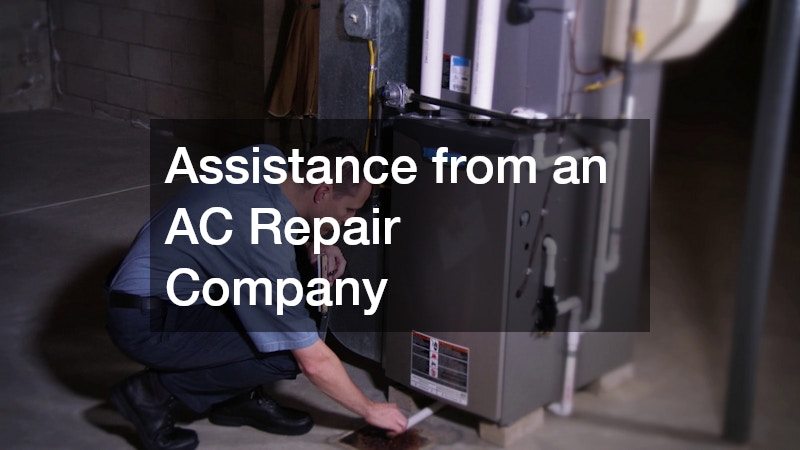
Assistance from an AC Repair Company
Common AC Issues and Solutions
Air conditioning systems can encounter common issues such as refrigerant leaks, sensor problems, or drainage challenges. Other typical problems include inconsistent airflow, strange noises, or failure to cool adequately. Addressing these issues promptly with an ac repair company can prevent further damage and restore comfort quickly.
Choosing the Right AC Repair Company
Choosing the right ac repair company involves research and consideration of factors such as experience, certification, and customer reviews. A reliable company should have a team of trained technicians familiar with different makes and models of air conditioning systems. Transparency in pricing and services offered is crucial for trust and confidence.
Services from an AC Repair Service
Evaluating Service Packages
When considering services from an ac repair service, evaluating service packages is key to obtaining the best value. Packages may include various levels of maintenance, repair services, and emergency call-out options. Comparing package inclusions and prices can help homeowners choose a plan that best suits their needs and budget.
It is prudent to inquire about warranties or satisfaction guarantees included in service packages. These guarantees provide added value and assurance that the ac repair service will deliver quality workmanship. Comprehensive service packages can lead to improved system performance and peace of mind over time.
Importance of Emergency AC Services
Emergency AC services are crucial for addressing unexpected breakdowns that can lead to discomfort or health risks, especially during extreme weather conditions. Reliable service providers offer prompt responses to emergency calls, minimizing downtime and restoring comfort swiftly. Access to emergency services can also prevent extensive damage to the system.
Having an emergency service contact ensures that technical issues are handled by professionals who understand the urgency and necessary repairs. These services often include immediate diagnostics and temporary fixes to restore function until permanent solutions are implemented. It’s an essential backup for ensuring continuous operation of AC units.
What to Expect from an Air Conditioning Contractor
Hiring an Air Conditioning Contractor
Hiring an air conditioning contractor requires an understanding of their expertise, certifications, and customer service approach. Contractors should provide detailed estimates and project timelines, ensuring transparency from the outset. Engagement with a qualified contractor can guide the selection of appropriate systems and ensure installations meet all regulatory standards.
The contractor should also offer insights on enhancing the energy efficiency of the selected systems. Personalized consultations can result in tailored solutions that fit specific requirements and preferences. It’s essential for homeowners to verify the contractor’s credentials and seek references to gauge past performance.
Quality Assurance and Guarantees
Quality assurance and guarantees from an air conditioning contractor reinforce the reliability of their services. Guarantees can include workmanship warranties that protect against defects in installation or repairs. Quality standards provide peace of mind that the installation has been carried out professionally and meets industry standards.
Ensuring contractors offer guarantees on both labor and equipment is crucial for protecting investment. It also encourages contractors to maintain high standards, ensuring customer satisfaction. Regular follow-ups post-installation can further ensure that the system continues to function optimally and efficiently.
Making Your HVAC System More Efficient
Energy-Saving Tips and Tricks
Optimizing energy efficiency involves adopting simple practices like adjusting thermostats when not at home and using programmable settings. Installing energy-efficient components or upgrading outdated systems can also lead to substantial savings. Implementing these tips helps reduce energy consumption, which directly impacts utility costs positively.
Ceiling fans can complement HVAC systems by circulating air efficiently, reducing the need for constant adjustments. Weatherproofing windows and doors also assists in maintaining interior temperatures without over-relying on heating or cooling. Small changes can collectively enhance the overall efficiency of HVAC operations.
Technological Upgrades for Efficiency
Incorporating technological upgrades can significantly enhance HVAC system efficiency. Smart thermostats and zoning systems allow personalized control over heating and cooling to enhance comfort and reduce energy waste. Investing in high-efficiency HVAC models can also deliver long-term savings and environmental benefits.
Integrating advanced sensors and automation helps in detecting inefficiencies and prompt alerts for needed maintenance. These smart technologies offer real-time data and monitoring capabilities, empowering homeowners to make informed decisions. Regular software updates and system audits ensure that technology remains effective and efficient.
The Impact of Regular Maintenance on Climate Control Systems
Benefits of Regular Maintenance
Regular maintenance extends the life of climate control systems and ensures they operate at peak efficiency. By addressing minor issues proactively, maintenance prevents unexpected failures and costly repairs. It also includes routine cleaning and inspections, which enhance air quality and system reliability.
Scheduled maintenance contributes to consistent comfort and helps in detecting potential issues before they escalate. It aligns system performance with manufacturer specifications, adhering to warranty terms and protecting investments. Maintaining a regular schedule offers peace of mind and continuous comfort throughout seasonal changes.
Scheduling Maintenance Services
Scheduling maintenance services in advance guarantees availability and timely service from HVAC professionals. Strategic scheduling before seasonal extremes ensures systems are prepared for increased demand and efficiency is maximized. Leveraging preventive maintenance agreements with service providers can simplify scheduling processes.
These agreements offer benefits such as priority service, discounted rates, and routine check-ups. They establish an ongoing relationship with service providers, ensuring consistency and quality in services rendered. Proactive maintenance scheduling complements smart climate control efforts, bolstering the system’s performance and durability.
Lowering Your Energy Bills through Smart Climate Control
Implementing Smart Climate Solutions
Implementing smart climate solutions involves integrating technology to automate and optimize energy usage. Programmable thermostats, mobile apps, and intelligent sensors coordinate system operations for enhanced efficiency. These solutions help minimize energy waste by adapting to user habits and environmental changes automatically.
Monitoring and Adjusting Usage
Effective climate control includes continuous monitoring and adjusting of system usage to align with user needs and utility rates. Analyzing patterns and preferences allows adjustments that avoid unnecessary energy consumption, such as reducing usage during peak rate periods. Tools and applications can assist in setting schedules and optimizing energy use.
Understanding the critical role of insulation, HVAC systems, and regular maintenance can significantly enhance home comfort and lower energy costs. Continued adaptation and improvements in climate control strategies ensure homes remain pleasant and efficient year-round.