
Fleas can be a significant pest problem, causing discomfort and health risks to humans and pets. Effective management is essential to avoid a flea infestation. This guide offers knowledge on combatting fleas, with both natural and chemical solutions, ensuring a safe and pleasant home environment.
What Are Fleas and How Do They Enter Homes?
Fleas are wingless insects that feed on blood, primarily affecting household pets. Understanding their lifecycle, which includes egg, larva, pupa, and adult stages, is crucial for eradication.
Identifying the lifecycle stage helps apply effective control methods.
Common Entry Points
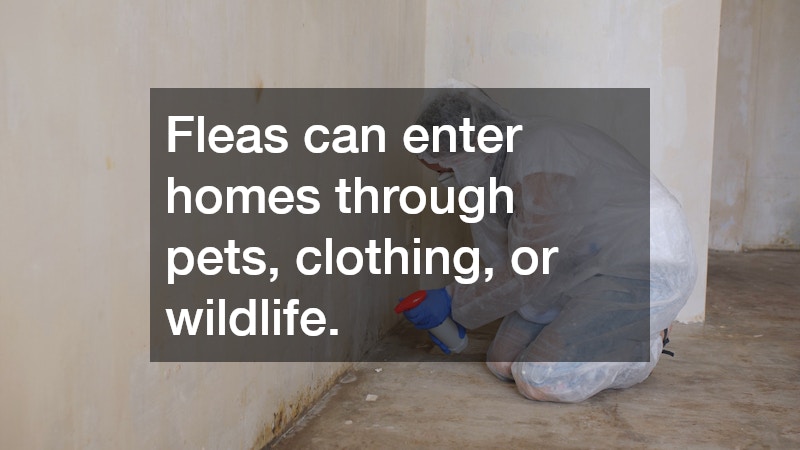
Fleas can enter homes through pets, clothing, or wildlife. Regular pet treatment and minimizing their exposure to flea-prone areas help prevent infestations.
Recognizing the Signs
Early detection of fleas includes excessive pet scratching, red spots on their skin, and flea bites on humans. Immediate action prevents further issues.
Differences Between Fleas and Other Pests
Fleas are slender and elongated, unlike the flat, oval bed bugs. Correct pest identification aids in applying the right treatment.
Health Risks Associated with Fleas
Fleas can cause dermatitis in pets and infections in humans. They are vectors for diseases and can transfer parasites. Managing fleas reduces these risks.
Natural Remedies to Eliminate Fleas
Natural flea control methods include DIY traps and herbal repellents. Soapy water traps and sticky pads reduce flea populations effectively.
Herbal and Essential Oil Solutions
Lavender, eucalyptus, and cedarwood oils repel fleas. Sprays made from these oil,s and adding rosemary or mint to pet areas, provide natural relief.
The Role of Diatomaceous Earth
Diatomaceous earth dehydrates and kills fleas when applied to carpets and pet bedding. Use food-grade DE and apply evenly for best results.
Vacuuming and Washing Strategies
Regular vacuuming and washing pet bedding in hot waterremovese fleas and their eggs, disrupting their lifecycle.
Pet Safe Methods
Using flea combs and natural shampoos, along with vinegar applications, protects pets from fleas safely.
Chemical Treatments for Flea Control
Chemical treatments provide rapid results for tough infestations. Flea sprays, powders, and spot treatments are effective when used as instructed.
Safety Tips for Using Chemicals at Home
Ventilate areas during chemical use, keep pets and children away, store chemicals safely, and choose pet-safe options when possible.
When to Call a Professional Exterminator
If infestations persist despite efforts, a professional exterminator can provide specialized solutions for thorough flea removal.
It’s also important to communicate any specific concerns or preferences when hiring a professional, ensuring tailored service to meet your home’s needs.
Understanding Insect Growth Regulators (IGRs)
IGRs prevent flea development and reproduction, complementing treatments targeting adult fleas for long-term prevention.
Long-Term Prevention Strategies
A combination of treatments and preventative measures, like chemical barriers and routine inspections, ensures long-term flea control.
Flea Control for Pets
Pets need specific flea control routines, such as topical treatments for month-long protection. Follow dosage instructions based on pet size and weight.
Oral Medications
Oral meds disrupt flea reproduction or kill fleas through the bloodstream. Vet consultations ensure the right medication and dosage.
Flea Collars: Do They Work?
Flea collars release insecticides or natural ingredients as deterrents. Combining with other treatments enhances efficiency.
Grooming Techniques to Keep Fleas Away
Regular grooming with flea combs and baths effectivelreducesce fleas amaintainsain pet health and comfort.
Regular Vet Check-ups
Vet check-ups detect early flea signs and provide tailored advice on prevention, ensuring pets’ health and well-being.
Prevention Tips for a Flea-Free Home
Landscaping and regular cleaning create a flea-resistant environment. Mowing, pruning, and pet area management enhance prevention. Adding natural, flea-repellent plants like lavender or mint can further deter fleas.
Regular Home Maintenance
Indoor cleaning, like vacuuming and pet food storage, supports pest control, creating a hostile environment for fleas. Ensuring all crevices and carpets are thoroughly cleaned can eliminate flea eggs and prevent their hatching.
Monitoring Pet Activity
Monitor pet behavior and limit exposure to high-risk areas during peak flea seasons to reduce infestation chances. Training pets to avoid certain diurnal habits can minimize picking up fleas during outdoor excursions.
Implementing Routine Flea Checks
Flea checks on pets and home areas aid early detection, allowing timely action and effective outbreak management. Using a dedicated flea comb can help in identifying and removing fleas from pets without causing discomfort.
Educating Family Members
Family education on flea prevention and treatment application supports collective responsibility and success in maintaining a flea-free home.
Effective flea control combines natural remedies, chemical treatments, and pet care, supporting households in maintaining a flea-free environment.