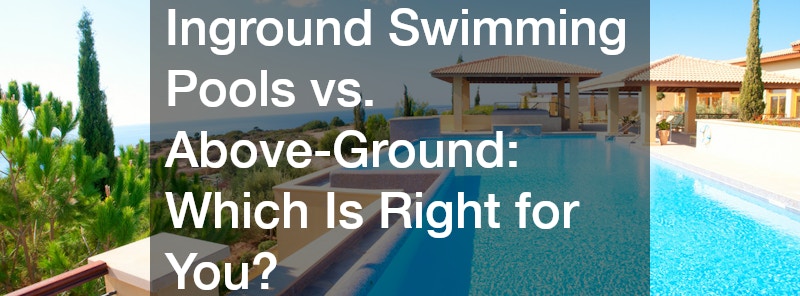

In the world of home improvement and outdoor enjoyment, swimming pools are a prized possession. Whether you’re looking at inground swimming pools in Denver, CO, or considering an above-ground option, choosing the right type can be daunting. This article explores the key differences, benefits, and considerations to help you make the right decision for your home and lifestyle.
1. What are the Pros and Cons of Inground Swimming Pools in Denver, CO?
A. Advantages of Inground Pools
Inground swimming pools in Denver, CO, offer a vast array of customization options that can transform any backyard into a personal oasis. Homeowners can choose from a variety of shapes, sizes, and finishes that harmonize with their landscape and personal aesthetic preferences.
The aesthetic appeal of inground pools adds significant value to a home, making them a luxury staple for many homeowners. In Denver’s varied climate, these pools provide enduring durability and can withstand the test of time and elemental exposure.
Long-term increases in property value and the enhanced enjoyment of one’s living space are significant advantages of installing an inground pool. Denver’s preference for outdoor living spaces makes these pools a particularly worth-while investment for enhancing lifestyle and recreation.
B. Disadvantages of Inground Pools
The initial costs of installing an inground pool can be substantial, making it a significant financial commitment. Homeowners in Denver might find the extensive construction process disruptive due to delays caused by unpredictable weather.
Long installation times can be inconvenient, especially during Denver’s limited warm-weather months. Additionally, maintenance of inground swimming pools in Denver, CO, requires ongoing effort and financial investment to manage chemicals, repairs, and seasonal preparations.
Another drawback is the necessity of winterization each year to protect the pool from freeze damage in Denver’s cold season. The high maintenance demands and substantial long-term costs are essential factors to consider for potential pool owners.
2. Are Above-Ground Pools a Viable Option in Denver, CO?
A. Benefits of Above-Ground Pools
Above-ground pools offer an affordable entry-point to pool ownership, appealing to budget-conscious homeowners in Denver. Their installation process is typically swift and straightforward, minimizing disruptions.
Portability is a distinct advantage, as these pools can be dismantled and relocated with relative ease, compared to their inground counterparts. For families in transition or renters, this flexibility can be a significant advantage.
The reduced financial commitment allows homeowners to allocate resources to add surrounding features and landscape elements. Despite their lower cost, they still provide enjoyment and an opportunity for family fun during Denver’s warmer months.
B. Limitations of Above-Ground Pools
Despite their advantages, above-ground pools are often considered less aesthetically pleasing, which can impact how they blend with the home’s design. In Denver, where outdoor aesthetics are highly valued, this can be a critical consideration.
Their shorter lifespan compared to inground pools can lead to a need for repeated investments over time. Their limited size and design options may not satisfy those looking for elaborate or large-scale swimming areas.
The fewer customization possibilities can restrict the personalization of the pool area. For many, these limitations make above-ground pools a second-choice option despite their advantages.
3. How Does the Colorado Climate Affect Your Pool Choice?
A. Weather Considerations for Pool Installation
Denver, CO, experiences a unique climate with drastic temperature fluctuations, significantly impacting pool choices. Inground pools, if properly insulated, can retain heat longer, making them more suitable for extending the swimming season.
Above-ground pools, on the other hand, might quickly lose their heat after cooler nights, limiting their seasonal usability. Homeowners need to consider how these weather patterns will affect the enjoyment and practicality of their pool.
Additionally, sudden weather changes can complicate installation and maintenance scheduling. The ability to shield an inground pool with covers or enclosures adds flexibility in managing these climatic changes.
B. Maintenance and Care Based on Climate
The Colorado climate necessitates specific maintenance routines, especially when winterizing pools due to freezing temperatures. Inground swimming pools in Denver, CO, often require a professional approach to winterization to prevent structural damage.
Above-ground pools might be easier to prepare for winter but require careful attention to avoid potential leaks and structural issues caused by ice expansion. Both pool types require consistent maintenance to ensure water quality and safety year-round.
Taking into account the sporadic and at times extreme Denver climate, maintaining a pool involves understanding of local conditions for efficient and effective care. This understanding helps prevent costly repairs and extend the life of the pool.
Choosing between an inground and above-ground swimming pool in Denver, CO, involves weighing various factors including cost, aesthetics, and climate suitability. Understanding these differences will help you make a well-informed decision that aligns with your family’s needs and future enjoyment.