
This article provides an in-depth look at HVAC building repair basics, offering essential information for property owners and maintenance professionals alike. HVAC systems are integral to maintaining a comfortable and safe environment in any building by regulating temperature and air quality. However, due to their complex nature, HVAC systems require regular maintenance and repair to function optimally.
Understanding the basics of HVAC building repair can help in diagnosing issues early, which in turn saves time and money. In this article, we will explore common signs of system failure, diagnostic methods, and essential maintenance practices to keep your HVAC system in top shape.
What Are the Common Signs That an HVAC System Needs Repair?
One of the most apparent signs that an HVAC system needs repair is unusual noises, such as banging, clanking, or whistling. These noises often indicate problems with the internal components, such as the blower motor or the compressor. Another common sign is insufficient airflow, which may be due to blocked or leaky ducts, or a failing motor. Additionally, if the system frequently cycles on and off, it may indicate a malfunction in the thermostat or a need for a more significant system tune-up. Persistent and unexplained increases in energy bills can also signal that your HVAC system is working harder than necessary to maintain set temperatures.
A less obvious but equally important sign is inconsistent temperatures throughout different areas of a building. This irregularity can often be traced back to dirty filters, which restrict airflow and overwork the system. Furthermore, unexpected humidity problems might suggest an issue with the system’s capacity to properly control moisture levels, which is crucial for comfort and preventing mold growth. Sometimes, when a system is not maintained properly, it may even emit unusual odors due to accumulated dust or mold within the system itself. Recognizing these signs early can prevent major repairs or the need for a complete system overhaul.
Finally, if the outdoor unit is encased in ice or if there are refrigerant leaks, these are serious signs of malfunction that require immediate attention. Regularly inspecting these external components, as well as the internal system, can greatly reduce the risk of these issues escalating. A steady maintenance schedule that includes seasonal checks by a professional can help in preemptive identification and correction of these faults.
How Can I Diagnose HVAC Building Repair Issues?
Diagnosing HVAC problems effectively involves a series of checks and balances that begin with understanding the system’s current performance. It is essential to start by examining the thermostat settings and ensuring they are programmed correctly. Often, thermostat misconfigurations can lead to improper system behavior, causing user-perceived malfunctions. Checking this setting is a simple yet impactful step in diagnosing repair needs. Alternatively, if the system is not turning on or appears less responsive, it could be an indication of electrical issues needing professional assessment.
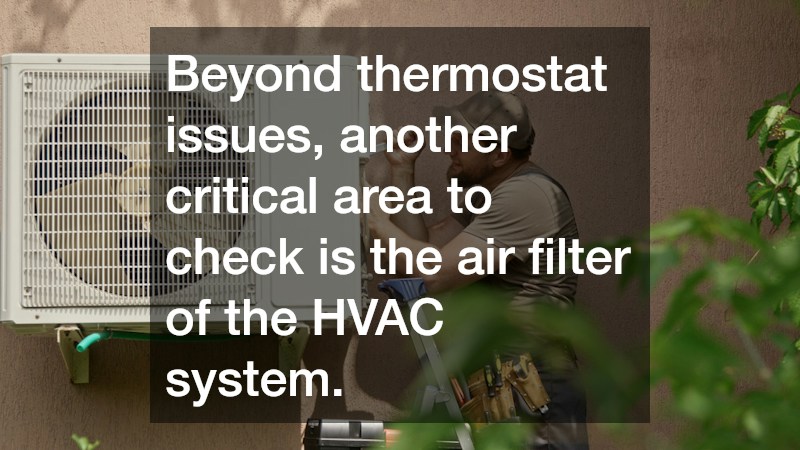
Beyond thermostat issues, another critical area to check is the air filter of the HVAC system. An air filter clogged with dust or debris can severely affect the system’s efficiency and may cause the system to overheat and shut off prematurely. Regularly replacing or cleaning the filter based on manufacturer-recommended schedules can prevent these issues. Additionally, checking the power supply to the HVAC unit is another straightforward diagnostic step to ensure that any blows or wiring issues are resolved. It’s always better to rule out simple fixes before considering more complex engineering problems.
What Are the Essential Maintenance Practices for HVAC Systems?
To maintain the optimal performance of an HVAC system, regular maintenance checks are necessary. An effective maintenance schedule includes routine inspection and cleaning of system components such as filters, coils, and ducts. Keeping condenser and evaporator coils clean can prevent dirt buildup, which impacts efficiency and causes the system to work harder. Scheduled professional inspections are also recommended to ensure that all parts are functioning correctly and safely. Regular maintenance thus prevents unexpected breakdowns, ensuring continuous comfort and indoor air quality.
Another crucial maintenance practice involves tight control over the HVAC system’s capacity for moisture management. A well-functioning system not only handles temperature fluctuations but also maintains optimal humidity levels, which is essential for inhibiting mold growth and preserving air quality. Periodic inspections should focus on validating the system’s dehumidification effectiveness. Implementing routine moisture checks can help in spotting potential issues before they develop into full-blown repair projects. Continuous vigilance in maintenance practices helps ensure the reliability of the HVAC system.
Understanding HVAC building repair basics is crucial for maintaining a comfortable and efficient environment in any building. By recognizing early warning signs, performing thorough diagnostics, and adhering to essential maintenance practices, property owners and maintenance professionals can ensure that HVAC systems continue to operate smoothly. Promptly addressing issues not only improves system efficiency but also aids in prolonging its service life. Awareness of the complexities involved in maintaining these systems can save you both time and money. Remember, a proactively managed HVAC system is key to a healthy and controlled indoor climate.