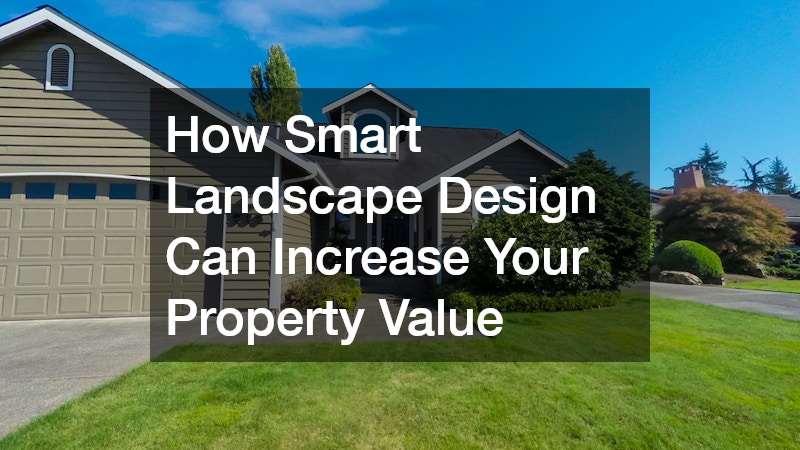

When homeowners think about increasing property value, they often focus on kitchen remodels, bathroom upgrades, or fresh interior paint. While these improvements matter, the exterior of your home creates the first impression—and first impressions strongly influence perceived value. A thoughtfully planned landscape design can dramatically enhance curb appeal, improve functionality, and attract potential buyers before they even step inside.
In competitive real estate markets, well-executed outdoor spaces can set your property apart. Smart landscaping isn’t just about planting flowers; it’s about creating a cohesive, attractive, and sustainable environment that complements your home’s architecture and lifestyle needs.
Here’s how strategic planning and professional landscape design can significantly boost your property value.
1. Boosting Curb Appeal and First Impressions
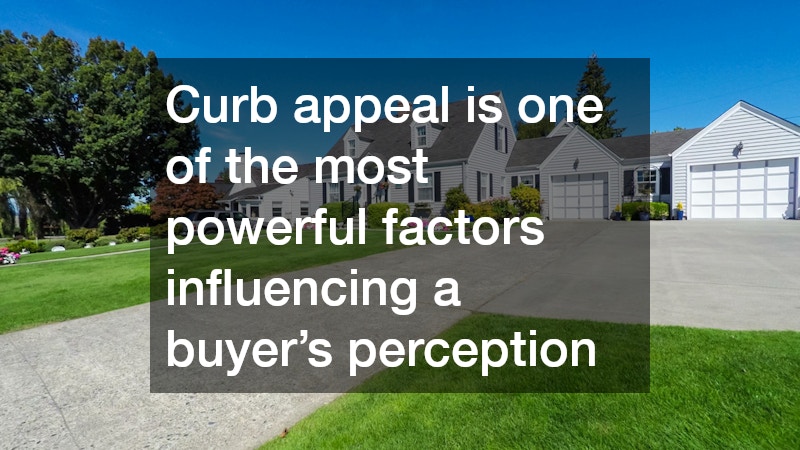
Curb appeal is one of the most powerful factors influencing a buyer’s perception. The moment someone pulls up to your home, the exterior either invites them in—or pushes them away. Clean lines, balanced plantings, and well-maintained lawns instantly communicate pride of ownership.
Professional landscaping ensures that trees, shrubs, and flowers are arranged in a way that enhances architectural features rather than overwhelming them. For example, layered plant beds can soften sharp edges, while symmetrical layouts can create a sense of elegance and order. Adding seasonal color through perennials and annuals keeps the property visually interesting year-round.
Hardscape elements also play a crucial role. Walkways, driveways, retaining walls, and entry paths should guide visitors naturally to your front door. Materials like stone, brick, or pavers add texture and sophistication. Thoughtfully placed lighting further enhances the appearance of your home at night, increasing safety while showcasing architectural and landscape features.
Buyers often decide how they feel about a property within seconds. Investing in cohesive landscape design helps ensure that their first impression is a positive—and memorable—one.
2. Creating Functional Outdoor Living Spaces
Today’s buyers are looking beyond interior square footage. Outdoor living areas have become highly desirable, especially as homeowners place greater value on entertainment, relaxation, and work-from-home flexibility. Smart landscaping transforms unused yard space into functional extensions of your home.
Consider adding a patio, deck, or pergola to create a defined gathering area. Outdoor kitchens, fire pits, and seating walls make backyards ideal for hosting family and friends. Even a simple seating nook surrounded by greenery can create a peaceful retreat that feels like an outdoor room.
Zoning is key. Just as interior spaces serve different purposes, your yard should offer distinct areas for dining, play, gardening, and relaxation. Well-planned landscaping ensures that these zones flow naturally together without feeling cluttered. Strategic placement of hedges, fencing, or decorative screens can provide privacy while maintaining an open and inviting atmosphere.
Functionality also extends to practical considerations. Proper drainage systems, grading, and erosion control protect both your landscaping investment and your home’s foundation. Pathways should connect spaces efficiently, and surfaces should be safe and durable. When buyers see a backyard that feels like an intentional living space rather than an afterthought, they’re more willing to pay a premium.
3. Enhancing Sustainability and Reducing Maintenance Costs
Modern homebuyers increasingly value sustainability and low-maintenance living. Eco-friendly landscape design not only benefits the environment but also increases long-term property value by reducing operational costs. Features such as native plant selections, efficient irrigation systems, and permeable paving help conserve resources while minimizing ongoing upkeep for homeowners.
Native plants are a smart choice because they thrive in local conditions with minimal watering and fertilization. Drought-tolerant landscaping, often referred to as xeriscaping, significantly reduces water usage—an especially attractive feature in regions where water restrictions are common. Efficient irrigation systems with smart controllers further optimize water consumption.
Energy efficiency is another overlooked benefit. Strategically planted trees can provide shade in the summer, lowering cooling costs, while windbreak plantings can reduce heating expenses in colder months. This thoughtful integration of plants and structures is a hallmark of effective landscape design.
Low-maintenance materials also matter. Composite decking, durable stonework, and high-quality mulch reduce the need for frequent repairs or replacements. When prospective buyers recognize that the outdoor space is both beautiful and easy to maintain, the perceived value of the property increases.
Sustainability doesn’t mean sacrificing style. In fact, environmentally conscious landscape design often results in cleaner layouts and more harmonious outdoor environments. The combination of beauty, efficiency, and practicality makes your home more appealing to a broad range of buyers.
Increasing property value doesn’t always require extensive interior renovations. Often, the greatest opportunity lies just outside your front door. A strategic approach to landscape design enhances curb appeal, expands living space, and improves sustainability—all of which resonate strongly with today’s buyers.
By investing in cohesive planning, functional outdoor areas, and environmentally conscious features, homeowners can transform their yards into valuable assets. Whether you plan to sell soon or simply want to enjoy your home more fully, smart landscape design offers both immediate enjoyment and long-term financial return.